Situated in the lively waterfront district of Bristol, Wapping Wharf has become a hub for food lovers, culture seekers, and weekend explorers. Its vibrant mix of independent eateries, shipping container shops, and scenic harbour views attracts visitors throughout the year, making parking an essential part of planning any visit.


For those travelling by car, the wapping wharf car park offers one of the most convenient places to leave your vehicle while you explore the area. This guide provides a detailed look at everything from prices and opening times to reviews and practical tips, helping you make informed decisions before arriving in this busy part of the city.
Location and accessibility
The wapping wharf car park is located on Wapping Road, placing it within easy walking distance of many of Bristol’s most popular attractions. Its central location near the harbourside ensures visitors can quickly access restaurants, cafes, and cultural venues without needing additional transport. This makes it especially appealing for short visits or spontaneous trips into the city.
Nearby landmarks such as M Shed further enhance its appeal, as visitors can park once and explore multiple destinations on foot. The surrounding streets are well signposted, and navigation apps typically guide drivers directly to the entrance, making it relatively easy to find even for first-time visitors.
Prices and charges
Understanding wapping wharf car park prices is essential when planning your visit, particularly if you intend to stay for several hours. The car park usually operates on a pay-and-display system, with hourly rates increasing progressively depending on how long you remain parked. This structure is designed to accommodate both short visits and longer stays.
While the wapping wharf car park charges are generally considered reasonable for such a central location, they may be slightly higher than some alternative car parks further from the city centre. However, many visitors feel the convenience and proximity to key attractions justify the cost, especially when time and accessibility are priorities.
Opening times and availability
The wapping wharf car park is typically open every day, offering flexibility for visitors arriving at different times. Whether you are planning an early morning visit or an evening outing, the car park often accommodates a wide range of schedules. It is always advisable, however, to check on-site signage for the most accurate and up-to-date information.
Availability can vary depending on the day and season, with weekends and holidays often being the busiest periods. During these times, spaces can fill quickly, particularly in the afternoon. Arriving earlier in the day or later in the evening can improve your chances of finding a convenient parking spot without unnecessary waiting.
Harbour side parking experience

The wapping wharf car park (harbour side) offers a unique advantage due to its proximity to the waterfront. Visitors parking here can step out of their cars and immediately enjoy the scenic surroundings, with views of the harbour and easy access to nearby attractions. This adds an extra layer of convenience and enjoyment to the overall experience.
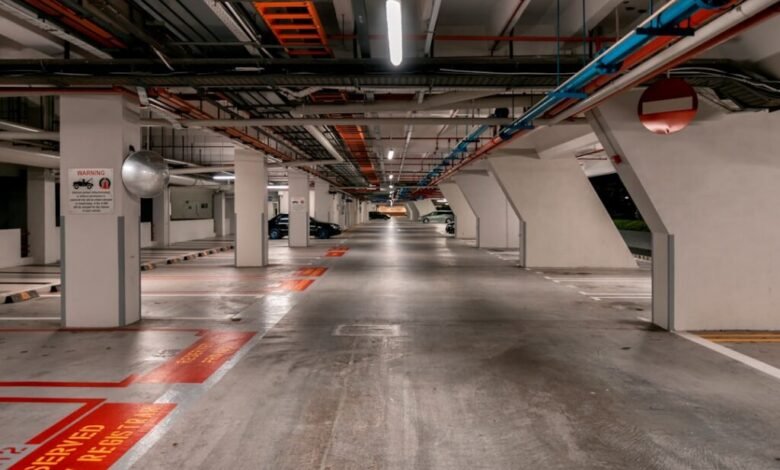
Images and descriptions of the wapping wharf car park (harbour side) often highlight its compact layout and bustling atmosphere. While it may not always have a large number of available spaces, its desirable location means it remains a popular choice for those wanting to stay close to the heart of Bristol’s harbourside activity.
Reviews and visitor feedback
Feedback on wapping wharf car park bristol reviews generally reflects a positive experience, particularly when it comes to location and accessibility. Visitors frequently mention how easy it is to reach nearby restaurants, shops, and attractions after parking, making it a practical option for both short and extended visits.
However, some reviews also point out potential drawbacks, such as limited availability during peak hours and occasional congestion when exiting the car park. Despite these minor issues, wapping wharf car park reviews indicate that it remains a reliable and convenient choice for those exploring the area.
Nearby attractions and things to do
Parking at the wapping wharf car park provides immediate access to a wide range of activities and attractions. The surrounding area is known for its lively atmosphere, with independent food vendors and creative spaces offering something for everyone. This makes it an ideal destination for families, couples, and solo travellers alike.
In addition to the vibrant food scene, visitors can explore cultural landmarks such as M Shed or take a relaxing stroll along the harbourside. The combination of history, culture, and modern attractions ensures there is always something to see and do within walking distance.
Alternative parking options in Bristol
Although the wapping wharf car park is highly convenient, there are several alternative parking options available across Bristol. Some nearby car parks may offer lower rates or more available spaces, particularly during peak times when central locations become crowded.
Park and Ride services are another excellent option for those looking to save money while avoiding city centre traffic. These services allow visitors to park outside the busiest areas and travel into the city using public transport, providing a cost-effective and stress-free alternative.
Practical tips for parking
When using the wapping wharf car park, planning ahead can make a significant difference to your overall experience. Arriving early is one of the most effective ways to secure a space, particularly on weekends or during special events when demand is high.
It is also important to check payment methods and keep track of your parking duration to avoid fines. Being mindful of peak hours and allowing extra time for entry and exit can help ensure a smoother visit, especially during busy periods when traffic levels increase.
Conclusion
The wapping wharf car park stands out as a convenient and well-located option for anyone visiting Bristol’s vibrant harbourside. Its proximity to popular attractions, combined with straightforward access and reasonable pricing, makes it a preferred choice for many visitors.
By understanding wapping wharf car park prices, availability, and nearby alternatives, you can plan your trip more effectively and avoid unnecessary stress. With the right preparation, parking here can enhance your overall experience and allow you to fully enjoy everything the area has to offer.