Can Dogs Have Turkey? A Complete Guide to Benefits, Risks, and Safe Feeding Tips

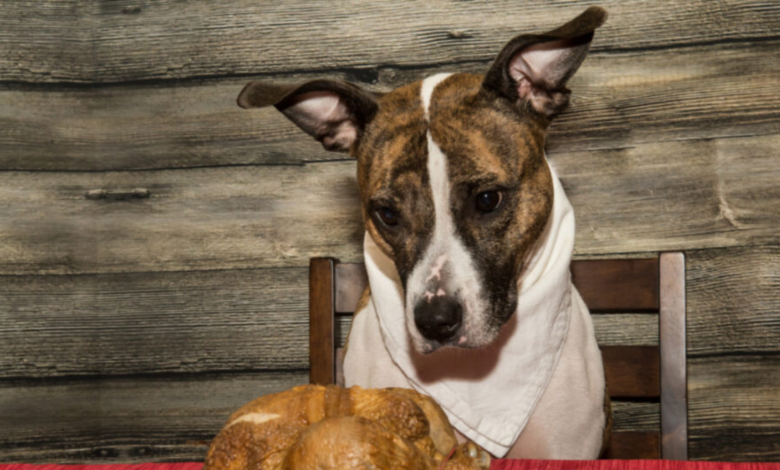
can dogs have turkey Many dog owners enjoy sharing special meals with their furry companions, especially during holidays and family gatherings when turkey is often the centre of the table. This leads to a common question among pet parents: can dogs have turkey? The simple answer is yes, dogs can eat turkey when it is prepared correctly and served in moderation. Plain, cooked turkey can provide valuable nutrients and may even be a healthy addition to a dog’s diet when offered safely can dogs have turkey.
can dogs have turkey However, not all turkey is suitable for dogs. The way turkey is prepared plays a major role in determining whether it is safe. Seasonings, sauces, skin, bones, and fatty parts can create serious health risks for pets. Many holiday turkey dishes contain ingredients like garlic, onion, salt, butter, and spices that may be harmful to dogs. Understanding the difference between safe turkey and unsafe turkey is essential for protecting your pet’s health.
Turkey is commonly found in many commercial dog foods because it is a high-quality source of protein. It contains important nutrients that support muscle growth, energy levels, and overall wellbeing. However, it should not replace a complete and balanced dog diet. Instead, turkey should be viewed as an occasional treat or an additional protein source alongside your dog’s regular nutrition plan can dogs have turkey.
This detailed guide explains everything dog owners need to know about feeding turkey, including the benefits, risks, preparation methods, portion sizes, and common mistakes to avoid can dogs have turkey.
Can Dogs Have Turkey? Understanding Whether Turkey Is Safe for Dogs
Yes, dogs can have turkey, but only when it is plain, properly cooked, and free from harmful ingredients. Turkey meat itself is not toxic to dogs and can provide several nutritional benefits. Many veterinarians consider lean turkey a healthy protein option because it contains essential amino acids that help maintain strong muscles and support normal body functions can dogs have turkey.
When feeding turkey to dogs, preparation is the most important factor. A small piece of unseasoned turkey breast is very different from a slice of holiday turkey covered in gravy and spices. Dogs have different nutritional needs from humans, and ingredients that improve flavour for people can sometimes be dangerous for pets. For example, onions and garlic can damage a dog’s red blood cells, while excessive fat can lead to stomach problems or more serious conditions such as pancreatitis can dogs have turkey.
can dogs have turkey Plain cooked turkey without bones, skin, or seasoning is usually the safest choice. Removing the skin is especially important because turkey skin contains high levels of fat, which may cause digestive discomfort in some dogs. Owners should also avoid giving dogs processed turkey products such as deli turkey because these often contain high amounts of sodium, preservatives, and artificial ingredients can dogs have turkey.
can dogs have turkey Although turkey can be a healthy treat, every dog is different. Some dogs may have food sensitivities or allergies that make turkey unsuitable. When introducing turkey for the first time, it is best to start with a small amount and monitor your dog for any unusual reactions can dogs have turkey.
Health Benefits of Feeding Turkey to Dogs
Turkey can offer several health benefits when included properly in a dog’s diet. One of the biggest advantages of turkey is that it is a lean source of animal protein. Protein is one of the most important nutrients for dogs because it supports muscle development, tissue repair, and healthy growth. Active dogs especially require adequate protein to maintain strength and energy.
Turkey also contains several essential vitamins and minerals that contribute to overall health. It provides B vitamins, which help support metabolism and energy production. Nutrients such as zinc and selenium play important roles in maintaining a healthy immune system and supporting normal cellular functions. Phosphorus found in turkey also contributes to healthy bones and teeth.
Another benefit of turkey is that it can be a useful alternative protein source for some dogs. Dogs with certain dietary sensitivities may respond well when introduced to different protein options. This is one reason why turkey is often used in specialised dog food formulas. However, any dietary changes should be introduced gradually to avoid upsetting your dog’s digestive system.
Lean turkey, particularly skinless breast meat, is lower in fat compared with many other meat options. This makes it a potentially suitable treat for dogs that need a protein source without excessive calories. Still, portion control remains important because too much of any additional food can disturb the balance of a dog’s regular diet.
How to Safely Prepare Turkey for Dogs
Preparing turkey correctly is the key to making it safe for dogs. The best option is plain cooked turkey that has been prepared without added ingredients. Baking, boiling, or roasting turkey without seasoning are all suitable cooking methods. Before serving, the turkey should be cooled, cut into small pieces, and checked carefully to remove any bones.
Raw turkey is a topic that often creates debate among dog owners. Some people choose raw diets for their pets, while others prefer cooked foods. Raw turkey can carry bacteria such as salmonella, which may pose risks to both dogs and humans in the household. Cooking turkey thoroughly reduces these risks and makes it a safer choice for most pets.
When preparing turkey for dogs, avoid adding salt, pepper, sauces, butter, oils, garlic, onions, or spice blends. These ingredients may cause health problems. Even small amounts of certain seasonings can be harmful, especially when consumed regularly.
Turkey skin should also be removed before feeding. While some dogs may enjoy the taste, the high fat content can be difficult for many dogs to digest. Fatty foods may contribute to vomiting, diarrhoea, or more serious digestive issues.
The safest turkey meal for a dog is simple: plain cooked meat, no seasoning, no bones, and served in a suitable portion size.
Can Dogs Eat Turkey Bones? Understanding the Risks
Although dogs naturally enjoy chewing bones, turkey bones should never be given to dogs. Cooked turkey bones are especially dangerous because they become brittle and can easily break into sharp pieces. These sharp fragments may cause choking, damage to the mouth, or serious injuries inside the digestive system.
When a dog swallows a turkey bone, it can create several health risks. Bone pieces may become stuck in the throat, stomach, or intestines. In some cases, they can cause blockages that require emergency veterinary treatment. Signs of a possible problem include vomiting, difficulty eating, unusual tiredness, abdominal discomfort, and changes in bowel movements.
Many dog owners assume that large bones are safer than small bones, but turkey bones are risky regardless of size. Even a small piece can splinter and create complications. It is always better to remove all bones before offering turkey meat to your dog.
If your dog accidentally eats a turkey bone, avoid trying to force vomiting unless advised by a veterinarian. Monitor your pet closely and contact a veterinary professional if any concerning symptoms appear.
Can Dogs Have Turkey Leftovers? What Owners Should Know
Holiday leftovers are one of the most common ways dogs accidentally consume unsafe turkey. While plain leftover turkey meat may be acceptable, many leftover dishes contain ingredients that are unhealthy or dangerous for dogs.
Turkey covered in gravy, stuffing, sauces, or seasoning should not be shared with pets. Stuffing often contains onions, garlic, herbs, and spices that can be harmful. Gravy may contain excessive salt and fat, which can upset a dog’s digestive system.
Processed turkey products should also be avoided. Foods like turkey slices, turkey sandwiches, and packaged turkey snacks often contain preservatives and high levels of sodium. These ingredients are designed for human consumption but are not ideal for dogs.
If you want to share turkey with your dog during a holiday meal, prepare a separate portion before adding seasoning. This allows your pet to enjoy a safe treat without the risks associated with traditional recipes.
How Much Turkey Can Dogs Eat? Portion Guidelines
The amount of turkey a dog can eat depends on factors such as size, weight, age, activity level, and overall health. Turkey should only make up a small part of a dog’s daily food intake. Treats and additional foods should not replace a complete and balanced diet.
Small dogs require much smaller portions than large breeds. A few small pieces may be enough for a small dog, while larger dogs may tolerate a slightly bigger serving. However, feeding too much turkey at once may cause stomach upset, especially if the dog is not used to eating it.
When introducing turkey, start with a small amount and observe your dog for signs of intolerance. Symptoms such as vomiting, diarrhoea, itching, or excessive scratching may indicate that turkey does not agree with your pet.
Moderation is the key to safely including turkey in your dog’s diet.
Conclusion
So, can dogs have turkey? Yes, dogs can enjoy turkey when it is prepared properly and served responsibly. Plain, cooked, boneless, and unseasoned turkey can provide valuable protein and nutrients that support your dog’s health.
However, owners should avoid turkey bones, skin, seasoning, gravy, and processed turkey products. These foods can create unnecessary health risks and may lead to digestive problems or more serious complications.
Turkey can be a tasty occasional treat, a training reward, or a healthy addition to meals when offered correctly. By understanding safe preparation methods and appropriate portions, dog owners can share this popular food with their pets while keeping them happy and healthy.
FAQs About Can Dogs Have Turkey
Can dogs have turkey safely?
Yes, dogs can eat plain cooked turkey without seasoning, bones, or skin.
Can dogs eat cooked turkey?
Yes, cooked turkey is generally the safest option when prepared without harmful ingredients.
Can dogs eat turkey skin?
It is best to avoid turkey skin because it is high in fat and may cause digestive issues.
Can dogs eat turkey bones?
No, turkey bones can splinter and cause choking, blockages, or internal injuries.
Can dogs have turkey slices?
Processed turkey slices are not recommended because they often contain salt and preservatives.
How much turkey can dogs eat?
Dogs should only eat small portions of turkey as an occasional treat.
Can puppies eat turkey?
Puppies can eat small amounts of plain turkey, but new foods should be introduced slowly.
Can dogs be allergic to turkey?
Yes, some dogs may develop allergies or sensitivities to turkey.
Is turkey better than chicken for dogs?
Both can be healthy protein sources, depending on the individual dog’s needs.
Can dogs eat turkey every day?
Turkey should not replace a balanced diet and should only be given occasionally unless recommended by a veterinarian.
You May Also Read: nc sos business search
