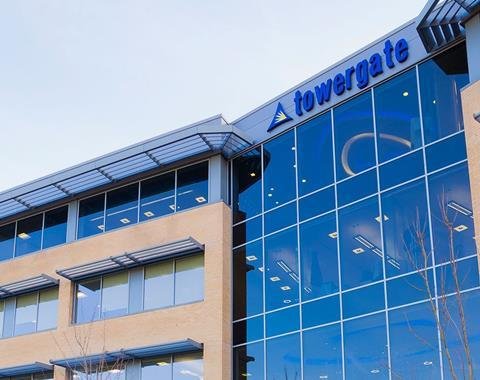
Towergate Insurance Winnersh is a commonly searched insurance-related query in the UK, especially among individuals and businesses looking for reliable brokerage support in the Winnersh and Berkshire area. It is associated with professional insurance services that help customers find tailored policies, manage risks, and get expert guidance on a wide range of insurance products. Many users search for this location when they want direct contact details and local support.
Towergate Insurance Winnersh is particularly relevant for people who prefer speaking to an insurance advisor rather than relying only on online comparison tools. The office presence in Winnersh makes it easier for local businesses and residents to access personalised insurance advice. This guide explores everything from services and location to contact details, helping users understand how the office operates and what it offers.
About Towergate Insurance Winnersh
Towergate Insurance Winnersh is linked to one of the UK’s established insurance brokerage networks, known for offering tailored insurance solutions across different sectors. The organisation focuses on providing flexible insurance coverage rather than one-size-fits-all policies, which is especially useful for businesses with specific risk requirements. This approach helps clients get more relevant and effective protection.
Towergate Insurance Winnersh is also part of a broader insurance ecosystem that supports both personal and commercial clients. Customers often rely on its expertise in areas such as liability insurance, property coverage, and specialist business insurance. The emphasis on advisory services makes it a preferred choice for those seeking structured guidance in managing financial risks.
Location and Accessibility of Towergate Insurance Winnersh
Towergate Insurance Winnersh is frequently searched by users trying to locate the office within the Winnersh area of Berkshire. The office is situated in a business-friendly environment, making it accessible for local companies and residents who need face-to-face consultations. Its location is designed to support professional clients who prefer direct interaction with insurance advisors.
Towergate Insurance Winnersh benefits from strong transport links, including nearby road networks and rail access from Winnersh station. This makes it convenient for clients travelling from surrounding areas such as Reading and Wokingham. The accessibility of the office helps improve customer engagement by allowing easier visits for consultations, policy discussions, and support services.
Contact Details for Towergate Insurance Winnersh
Towergate Insurance Winnersh is often searched by people looking for accurate and updated contact information, including phone numbers and communication channels. Having the correct contact details is important for clients who want to discuss insurance policies, request support, or make urgent enquiries. Direct communication remains one of the most effective ways to get assistance from the office.
Towergate Insurance Winnersh provides customers with access to professional advisors who can handle both general and specific insurance queries. Whether it is business insurance, personal coverage, or claims assistance, contacting the office directly ensures faster response times. Many users prefer this method because it provides clarity and reduces delays in resolving insurance-related matters.
Services Offered by Towergate Insurance Winnersh
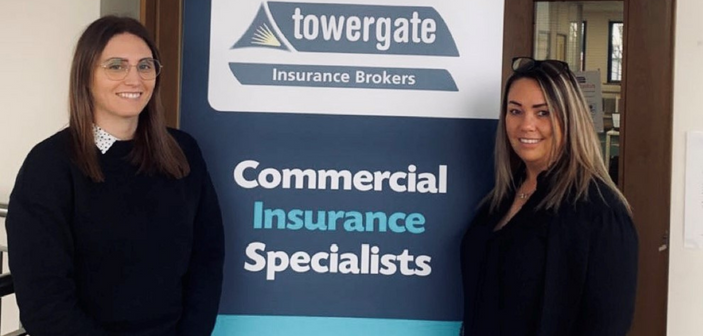
Towergate Insurance Winnersh offers a wide range of insurance solutions designed to meet the needs of both individuals and businesses. These services typically include commercial insurance, property insurance, liability coverage, and specialised risk management solutions. The aim is to provide comprehensive protection that suits different industries and personal requirements.
Towergate Insurance Winnersh also supports clients with tailored insurance advice, helping them understand which policies best fit their circumstances. Businesses often rely on this office for guidance on complex insurance structures, while individuals may seek support for home or motor insurance. The flexibility of services makes it a valuable resource for varied customer needs.
Opening Hours and Customer Support at Towergate Insurance Winnersh
Towergate Insurance Winnersh operates during standard UK business hours, allowing customers to access services throughout the working week. These hours are designed to accommodate both business clients and individuals who may need assistance during the day. Knowing the opening schedule helps customers plan visits or calls more efficiently.
Towergate Insurance Winnersh is structured to provide timely support during operational hours, ensuring that enquiries are handled professionally. Customers are encouraged to contact the office during peak availability times for quicker responses. This improves the overall service experience and ensures that insurance matters are addressed without unnecessary delays.
Customer Experience and Reputation of Towergate Insurance Winnersh
Towergate Insurance Winnersh is generally associated with professional service and knowledgeable advisors who assist clients with their insurance needs. Many customers appreciate the personalised approach offered by the brokerage model, which focuses on understanding individual risk profiles rather than offering generic solutions.
Towergate Insurance Winnersh may receive varied feedback depending on individual experiences, as is common in the insurance industry. Some clients highlight efficient communication and strong advisory support, while others focus on the complexity of insurance processes. Overall, it remains a recognised name for structured insurance guidance in the UK market.
How to Get a Quote from Towergate Insurance Winnersh
Towergate Insurance Winnersh provides multiple ways for customers to obtain insurance quotes, depending on their preferences and requirements. Clients can typically contact the office directly or go through official channels to start the quotation process. This flexibility allows both individuals and businesses to access relevant insurance pricing easily.
Towergate Insurance Winnersh encourages customers to prepare necessary details before requesting a quote, such as business information, property details, or vehicle data. Providing accurate information helps advisors generate more precise and tailored insurance solutions. This improves the overall experience and ensures better coverage recommendations.
Importance of Towergate Insurance Winnersh in the Local Market
Towergate Insurance Winnersh plays an important role in supporting local businesses and individuals who require professional insurance services in the Berkshire region. Its presence helps bridge the gap between large insurance providers and local clients who need personalised support. This makes it a valuable part of the regional insurance landscape.
Towergate Insurance Winnersh also contributes to the local economy by supporting business continuity through risk management and insurance solutions. Many companies rely on such services to protect their operations, employees, and assets. This makes the office an essential resource for maintaining financial stability in the area.
Conclusion
Towergate Insurance Winnersh remains a key point of interest for users searching for insurance support, contact details, and professional brokerage services in the UK. It provides access to tailored insurance solutions, expert advice, and reliable customer service, making it suitable for both personal and business needs.
Overall, Towergate Insurance Winnersh continues to be a trusted reference for individuals seeking structured insurance guidance. Its combination of accessibility, service variety, and professional expertise ensures it remains relevant for customers looking to manage risk effectively and efficiently.